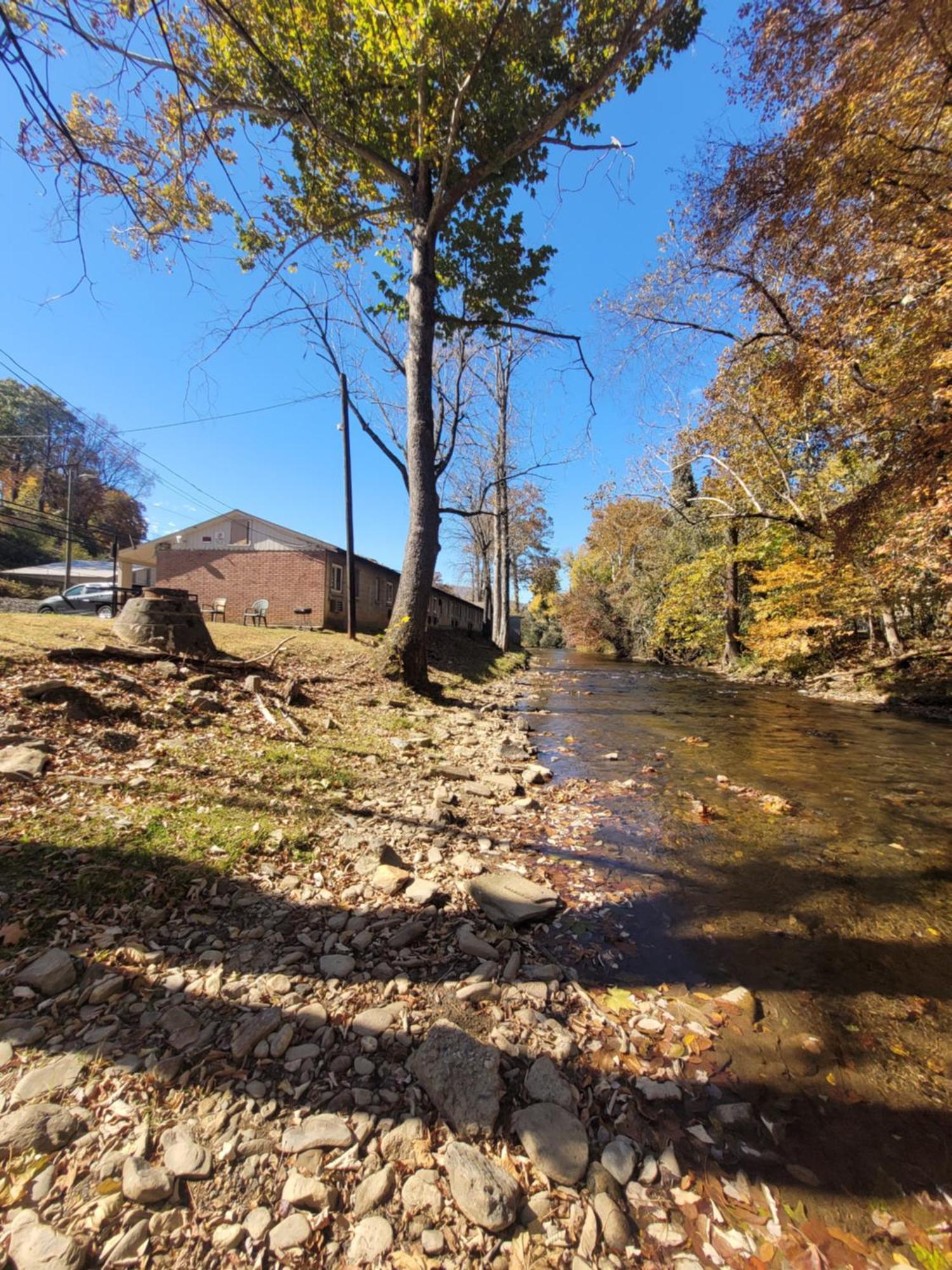
The Smoky Mountains region spans multiple gateway towns - Townsend, Maggie Valley, Bryson City, and Sylva - each offering direct access to Great Smoky Mountains National Park, scenic railroads, and Cherokee cultural sites. Choosing a centrally located hotel here means cutting drive times to trailheads and key attractions, which matters when the most popular park entrances can back up significantly during peak season. This guide covers 5 well-positioned hotels across the region, comparing their locations, facilities, and practical value to help you book with confidence.
What It's Like Staying in the Smoky Mountains
The Smoky Mountains are one of the most visited natural regions in the United States, drawing visitors to Great Smoky Mountains National Park - the most visited national park in the country, with around 12 million visitors annually. Unlike urban destinations, the region is spread across several small towns in North Carolina and Tennessee, so your choice of base town directly affects how much time you spend driving versus exploring. Traffic near the Gatlinburg and Cherokee entrances peaks heavily on summer weekends, making a well-positioned hotel genuinely valuable rather than a nice-to-have.
The area has no major public transit system, so a car is essential for nearly every traveler. Most attractions - waterfalls, scenic drives like the Blue Ridge Parkway, whitewater rafting, and heritage museums - require self-navigation between towns.
Pros:
- Immediate access to Great Smoky Mountains National Park from multiple gateway towns
- Wide variety of outdoor activities - hiking, fishing, horseback riding, skiing at Cataloochee - concentrated in a compact region
- Centrally located hotels provide short drives to Cherokee, Bryson City, and Maggie Valley attractions simultaneously
Cons:
- No public transportation - every excursion requires a car, adding fuel and parking logistics
- Popular park roads and town centers become heavily congested from late June through August
- Accommodation options in small gateway towns are limited compared to larger resort cities
Why Choose a Centrally Located Hotel in the Smoky Mountains
Central hotels in the Smoky Mountains are typically positioned in or near the gateway towns of Bryson City, Maggie Valley, Townsend, and Sylva - each within around 30 minutes of the park's main entrances. Unlike resort-style lodges set deep in the mountains, these properties offer better price-to-access ratios while keeping you close to restaurants, gas stations, and essential services. Rates at central hotels in these towns run noticeably lower than comparable lodging inside or at the immediate edge of the park, without sacrificing access to the most popular attractions.
Room sizes at centrally located hotels here tend to be practical rather than luxurious - expect standard motel-style layouts with functional amenities like microwaves, refrigerators, and free parking. Free parking is standard across virtually all properties in the area, which is a real logistical advantage given how car-dependent the region is. Trade-offs include limited on-site dining and the need to drive to trailheads rather than walking directly from your door.
Pros:
- Significantly lower nightly rates compared to park-adjacent lodges, with similar driving distances to key entrances
- Free parking included as a baseline across most properties - no hidden daily fees
- Access to multiple town centers and park entrances from a single base, reducing the need to relocate mid-trip
Cons:
- Most central hotels lack full-service restaurants on site - dining requires driving into town
- Room quality and finishes lean functional rather than premium, with limited luxury amenities
- Proximity to main roads can introduce traffic noise during peak summer weekends
Practical Booking & Area Strategy for the Smoky Mountains
The Smoky Mountains region divides naturally into a North Carolina side (Bryson City, Maggie Valley, Sylva, Cherokee) and a Tennessee side (Townsend, Gatlinburg), and your ideal base depends on which attractions matter most. Bryson City and Maggie Valley sit closest to the Great Smoky Mountains Railroad and the Cherokee Indian Reservation, while Townsend provides the quietest entry point into the park via the less-traveled west entrance - a meaningful advantage during peak season when the Gatlinburg corridor backs up for miles. The Blue Ridge Parkway is accessible within 5 miles from Maggie Valley hotels, making it a strong base for scenic driving itineraries.
For outdoor priorities, Townsend offers on-site access to bicycle hire, fishing, and horseback riding directly in town, with the Little River Railroad Museum immediately adjacent to some properties. Bryson City hotels place you within minutes of the Nantahala River corridor for whitewater rafting and within walking distance of the train depot. Book at least 6 weeks ahead for summer and fall foliage season - October in particular sees occupancy spike across all gateway towns as leaf-peeping demand surges region-wide.
Best Value Stays
These hotels deliver solid access to Smoky Mountains attractions at the most accessible price points, with practical amenities that cover the essentials for an active outdoor trip.
-
1. Economy Inn Sylva
Show on map


Just a few rooms left at the best rate!
fromUS$ 125
-
2. Sleep Inn Bryson City - Cherokee Area
Show on map


Just a few rooms left at the best rate!
fromUS$ 80
-
3. Highland Manor Inn
Show on map


Hurry – almost gone at this price!
fromUS$ 130
Best Mid-Range & Premium Picks
These hotels add meaningful upgrades - indoor pools, hot breakfasts, whirlpool suites - while maintaining central access to the park and key regional attractions.
-
4. Comfort Inn Near Great Smoky Mountain National Park
Show on map


Hurry – almost gone at this price!
fromUS$ 76
-
5. Stonebrook Lodge Bryson City
Show on map


Rooms filling fast – secure the best rate!
fromUS$ 82
Smart Travel & Timing Advice for the Smoky Mountains
The Smoky Mountains see two major demand peaks: summer (late June through August) and fall foliage season (mid-October through early November). October is the single most competitive booking month in the region - occupancy across Bryson City, Maggie Valley, and Townsend frequently reaches capacity weeks in advance as leaf-peeping demand combines with cooler hiking conditions. Summer weekends bring the heaviest road congestion, particularly on the Gatlinburg and Cherokee entrances to the park, so travelers staying on the Tennessee side near Townsend gain a measurable time advantage on the trail by using the west entrance.
Spring (April through May) offers the best balance of mild weather, wildflower blooms, and lower nightly rates compared to peak summer. Winter is the quietest period - most outdoor activities remain accessible, and hotels in Bryson City and Maggie Valley often drop rates noticeably - though Cataloochee Ski Area draws winter-specific demand to that corridor. A stay of 3 nights minimum is practical for covering both sides of the park, a railroad excursion, and at least one Cherokee cultural site without feeling rushed. Last-minute availability in summer and October is rare; booking 6 or more weeks ahead is strongly advisable for those peak windows.