
Tapestry Collection by Hilton is Hilton's independently spirited brand - each property carries its own personality, rooted in its local destination, while backing it with Hilton's loyalty program and service standards. Across the United States, these hotels range from a Civil War battlefield estate in Virginia to a beachside retreat steps from Delaware's Atlantic coast, giving travelers genuinely distinct stays rather than cookie-cutter chain experiences. This guide breaks down 8 Tapestry Collection hotels by location and positioning to help you decide which property fits your itinerary.
What It's Like Staying in the United States
The United States spans six time zones and an extraordinary range of landscapes - Pacific coastal cliffs in California, Appalachian hiking corridors in Vermont, mid-Atlantic barrier islands in Delaware, and dense urban cores in cities like Minneapolis and San Francisco. Hotel quality and pricing vary dramatically by city and neighborhood, and choosing where you base yourself has a direct impact on daily transportation costs and access to attractions. Crowds peak sharply in summer at coastal and national park destinations, while urban properties in cities like Salem, Oregon or Montpelier, Vermont stay relatively uncrowded year-round.
Travelers who benefit most from staying at independently branded hotels in the US are those who want Hilton Honors points and reliability without the uniformity of a full-service chain. Those seeking absolute luxury with butler service or ultra-high-end amenities may find branded luxury tiers like Waldorf Astoria more aligned with their expectations.
Pros:
- Geographic diversity means you can find a Tapestry property near major urban hubs, coastal parks, and historic sites without switching brands
- Hilton Honors points are earned across all properties, making multi-city US road trips or fly-drive itineraries more rewarding
- Each hotel reflects its local destination authentically, from Colonial cuisine in Virginia Beach to Pacific Northwest outdoor culture in Yakima
Cons:
- Airport transfers can be costly - most Tapestry properties are not adjacent to major airports, and rideshares in cities like San Francisco or Minneapolis add up fast
- Summer coastal properties like Fenwick Island see prices spike and availability tighten significantly, requiring early booking
- Parking fees or limited transit access in downtown locations like Minneapolis can catch budget-conscious travelers off guard
Why Choose Tapestry Collection Hotels in the United States
Tapestry Collection hotels occupy a deliberate middle ground in the US hotel market - positioned above standard three-star chains but without the $400-plus nightly rates of Hilton's luxury flagships. Most US Tapestry properties fall in the $130-$220 per night range depending on season and city, offering 4-star amenities like fitness centers, on-site dining, and full front-desk service. What sets them apart from other Hilton mid-tier options like Doubletree or Curio Collection is the commitment to individual identity: no two Tapestry properties share a lobby aesthetic, restaurant concept, or architectural style.
Room sizes tend to be more generous than urban boutique competitors, and most properties include practical features - refrigerators, flat-screen TVs, and strong WiFi - that make them functional for both leisure travelers and business guests extending a trip. The trade-off is that around half of Tapestry properties are located outside major downtown cores, which can mean car dependency in destinations like Virginia Crossings or Yakima.
Pros:
- Hilton Honors redemption rates are often more favorable at Tapestry properties than at comparable independent boutique hotels
- On-site dining at most US Tapestry locations is destination-specific, not generic - Colonial cuisine in Virginia Beach, à la carte options in Salem, and farm-to-table concepts in Vermont
- Properties like Virginia Crossings and The Founders Inn offer resort-scale grounds and amenities at non-resort prices
Cons:
- Not all Tapestry hotels are in walkable urban locations - Yakima and Glen Allen, Virginia require a rental car for most sightseeing
- Breakfast is not always included in the base rate and must be confirmed at booking for each individual property
- The brand's inconsistency by design means service levels and room quality vary more than at standardized full-service Hilton properties
Practical Booking & Area Strategy
When choosing between Tapestry Collection properties across the US, the key variable is whether you need an urban base with walkability or a destination-resort experience with more space. San Francisco and Minneapolis are the strongest urban options, placing you within walking distance of major transit, sports venues, and city landmarks. Salem, Oregon and Montpelier, Vermont work better as regional base camps for day trips into the surrounding countryside - both cities are compact, safe after dark, and far less congested than major metros.
For coastal stays, Fenwick Island in Delaware is positioned within 200 meters of a state park beach and is surrounded by mid-Atlantic shore towns, but it draws heavy summer crowds. Virginia Beach's Founders Inn is further inland than its name implies - the beach is around 26 kilometers away - making it more suitable for spa and wellness stays than beachfront access. Yakima, Washington is the outlier: a wine country and agricultural hub in central Washington that rewards travelers specifically seeking the Cascade wine trail and access to Mount Rainier National Park from the west side.
Book coastal and Pacific Northwest properties at least 8 weeks ahead for summer travel. Vermont and the Pacific Northwest shoulder seasons (May and October) offer better rates and thinner crowds at nearly every property on this list.
Urban Tapestry Collection Hotels
These properties are set in or near active city centers, giving you direct access to urban transit, dining districts, and major landmarks without a rental car.
-
1. Infinity Hotel San Francisco, Tapestry Collection By Hilton
Show on map


 Check-infrom 16:00 until 23:59Check-outuntil 12:00
Just a few rooms left at the best rate!
fromUS$ 119
-
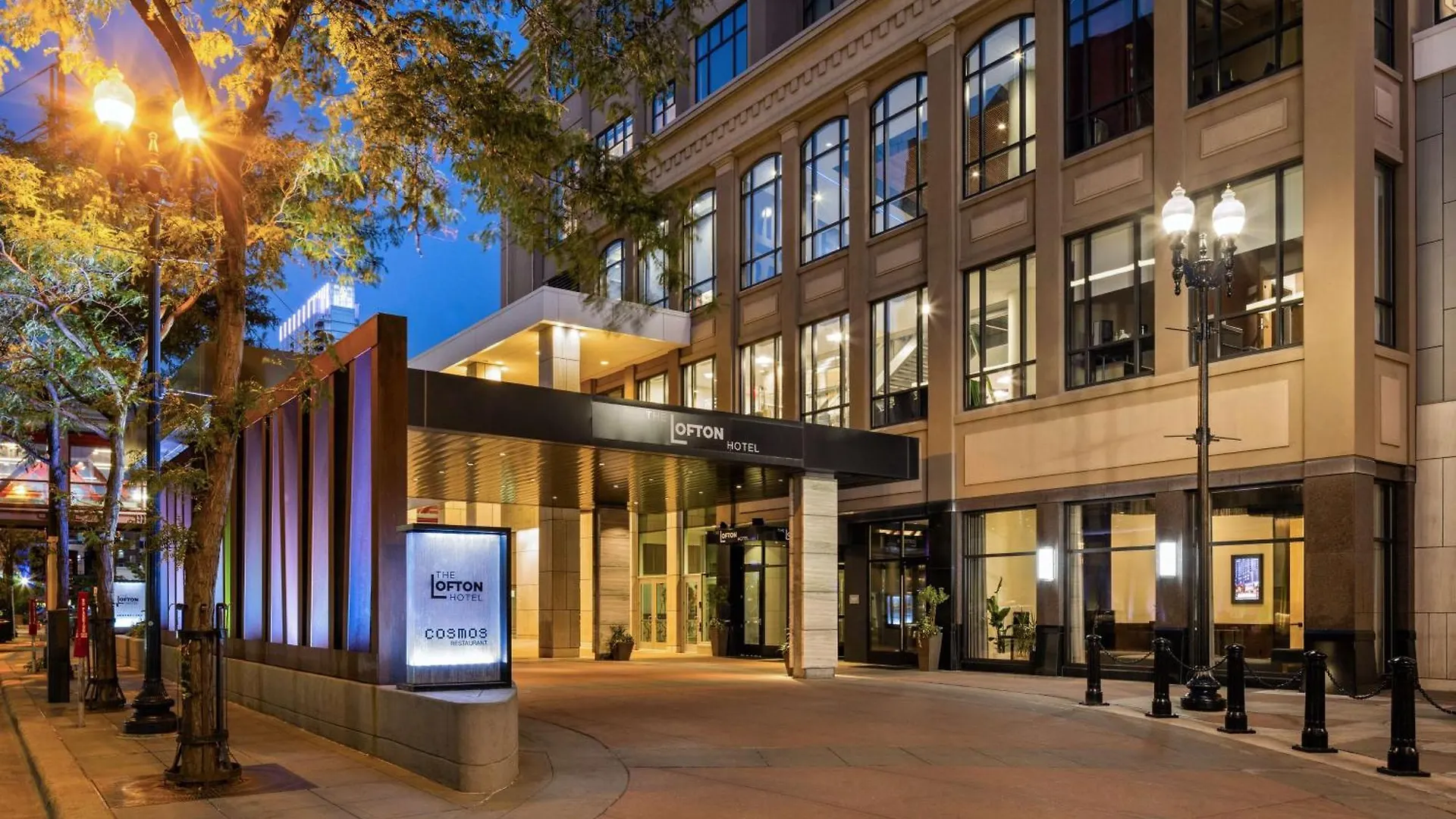
2. The Lofton Hotel Minneapolis, Tapestry Collection By Hilton
Show on map


 Check-infrom 16:00 until 23:59Check-outuntil 11:00
Just a few rooms left at the best rate!
fromUS$ 169
-
3. Holman Riverfront Park Hotel Salem, Tapestry By Hilton
Show on map


 Check-infrom 16:00 until 23:59Check-outuntil 12:00
Just a few rooms left at the best rate!
fromUS$ 226
Resort-Style and Destination Tapestry Collection Hotels
These properties prioritize space, on-site amenities, and destination-specific experiences over urban walkability - best suited to travelers who want the hotel itself to be part of the experience.
-
4. The Founders Inn & Spa Tapestry Collection By Hilton
Show on map


 Check-infrom 16:00 until 23:59Check-outuntil 11:00
Hurry – almost gone at this price!
fromUS$ 85
-
5. Virginia Crossings Hotel, Tapestry Collection By Hilton
Show on map


 Check-infrom 16:00 until 23:59Check-outuntil 11:00
Hurry – almost gone at this price!
fromUS$ 91
-
6. Fenwick Shores, Tapestry Collection By Hilton
Show on map


 Check-infrom 15:00 until 23:59Check-outuntil 11:00
Hurry – almost gone at this price!
fromUS$ 246
-
7. Capitol Plaza Hotel Montpelier Tapestry Collection By Hilton
Show on map


 Check-infrom 15:00 until 23:59Check-outuntil 11:00
Rooms filling fast – secure the best rate!
fromUS$ 135
-
8. Hotel Maison Yakima Tapestry Collection By Hilton
Show on map


 Check-infrom 15:00 until 23:59Check-outuntil 11:00
Rooms filling fast – secure the best rate!
fromUS$ 219
Smart Travel & Timing Advice for Tapestry Collection Hotels in the US
Timing your stay at any of these properties makes a measurable difference in both price and experience. Summer (June through August) is peak season for coastal properties like Fenwick Shores and The Founders Inn, when demand from mid-Atlantic travelers drives rates up and availability tightens significantly - book at least 8 weeks ahead for any July stay. The Lofton Minneapolis and Holman Riverfront Salem are less season-dependent and can offer last-minute availability with reasonable rates outside of major events like sports playoffs or city-wide conferences.
Vermont's foliage season in October is the most competitive booking window for the Capitol Plaza Montpelier - leaf-peeping travelers fill hotels across the state quickly, and rates can rise sharply. The Pacific Northwest properties in Yakima and Salem are best visited from late April through June or in September, when temperatures are moderate and wine harvest activity adds local color without overwhelming hotel capacity.
For Hilton Honors members, booking directly through Hilton's platform unlocks member rates and points earning that are not available through third-party aggregators. A minimum stay of 3 nights is worth planning at resort-style properties like Virginia Crossings and The Founders Inn, where on-site facilities - golf, spa, multiple restaurants - justify slower-paced itineraries that maximize what you're paying for.


